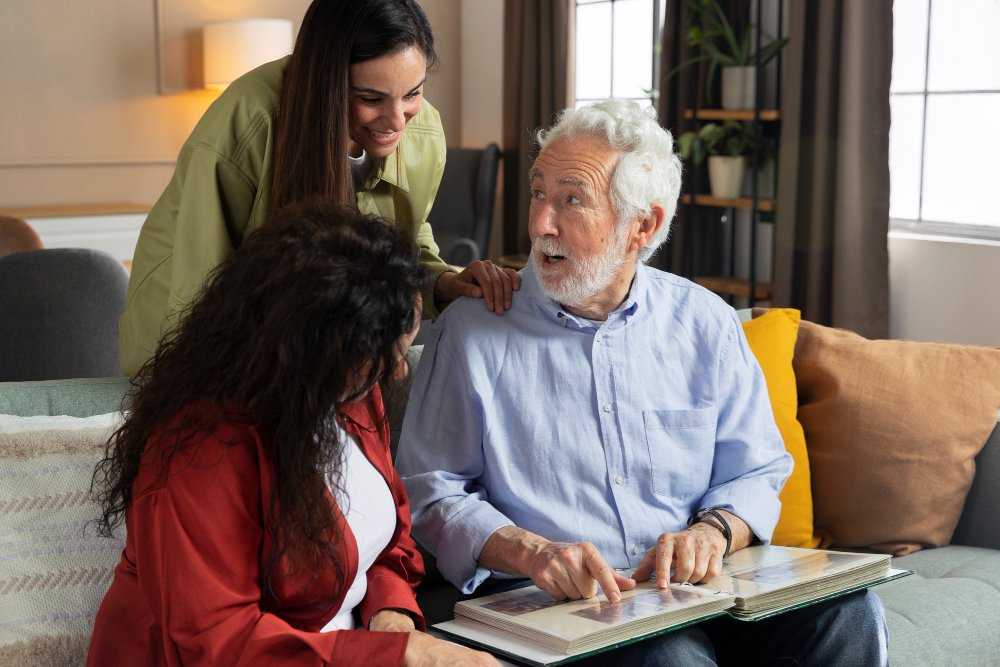
Late-stage dementia care at home requires environmental safety measures, constant supervision, and professional support to prevent falls, wandering, and medical complications. Families facing this stage often feel overwhelmed trying to manage everything alone, and that's understandable—the risks are real, but they're also manageable with the right approach.
Understanding Safety Risks in Late-Stage Dementia
As dementia progresses, a parent's ability to judge distance, recognize hazards, or communicate discomfort often fades. Falls become more likely as balance and coordination decline, and wandering can occur even when a loved one seems settled. These changes happen gradually, which makes it easy for families to underestimate how much supervision is actually needed. Medication routines also become harder to manage safely on their own. A parent may forget whether they've taken something, resist assistance, or become confused about timing. Beyond physical risks, there's an emotional toll too—families often feel they're constantly on alert, unsure if they're doing enough to keep their loved one safe. Recognizing these risks early allows families to put the right support in place before a crisis happens, rather than reacting after one.
Creating a Safe Home Environment
Small changes to the home can prevent many common accidents. Removing loose rugs, clearing cluttered walkways, adding grab bars in bathrooms, and improving lighting in hallways all reduce the chance of a fall. Securing exterior doors and using door alarms can help prevent wandering, which is one of the most stressful risks families describe. Every home has different layout challenges, and it's easy to miss hazards you've walked past for years without noticing. Trained caregivers often catch risks that families overlook simply because they're seeing the space with fresh eyes and specific safety training in mind. Our caregivers through Personal Care and Companion Care can help assess daily routines and physical spaces, offering practical suggestions that fit your parent's specific home and habits.
When Professional In-Home Support Makes a Difference
Constant supervision is difficult for one family member to provide alone, especially while juggling work and other responsibilities. Trained caregivers can be present to assist with mobility, hygiene, and daily routines, reducing the chance of an accident going unnoticed. This kind of steady, in-home presence allows your loved one to remain somewhere familiar instead of transitioning to a facility. For families managing more complex symptoms, our Neurological Care and Nursing Care services provide additional support for monitoring health changes and coordinating with physicians when needed. Having trained eyes in the home regularly can catch small issues before they become emergencies. This layered support—combining home safety measures with professional care—gives families breathing room while keeping their parent comfortable and protected.
How Integra Can Help
We offer a free in-home assessment to evaluate your parent's specific risks and recommend a care plan that fits their needs and your family's routine. Our background-checked, CPR and first-aid trained caregivers serve families throughout Aubrey, Dallas, Fort Worth, Frisco, Plano, McKinney, and Denton. Whether your family needs a few hours of daily support or more comprehensive care, we work with you to build a plan that makes sense for your situation. Request your free in-home assessment to start the conversation with our team.
Frequently Asked Questions
What are the biggest safety risks in late-stage dementia at home?
Falls, wandering, medication errors, and missed signs of illness are among the most common risks. These typically increase as mobility and communication abilities decline, making regular supervision important.
How do I prevent falls and wandering in late-stage dementia?
Removing tripping hazards, improving lighting, and securing doors with alarms or locks can reduce these risks significantly. Consistent supervision from a trained caregiver adds another important layer of protection.
Can medication errors be prevented with in-home care?
Caregivers can help monitor medication routines to make sure doses aren't missed or duplicated. For specific medication questions or changes, always consult your parent's physician.
What home modifications help keep someone with dementia safer?
Grab bars, non-slip flooring, secured exits, and clear walkways are common, effective changes. A professional assessment can help identify which modifications matter most for your parent's specific home.
How much supervision does late-stage dementia care require?
Many families find that round-the-clock or near-constant supervision becomes necessary as symptoms progress. The right level of support depends on your parent's mobility, health, and specific behaviors. If you're ready to create a safer home environment for your loved one, request a free in-home assessment and let our team help you build a care plan with confidence.